If you are searching for an angel anime character, the first thing to check is whether the character is a literal angel in the story or simply uses angel imagery. Kanade Tachibana, Gabriel White Tenma, Rakka, and Lucifer are all useful examples, but they represent very different moods: emotional drama, comedy, symbolism, and darker celestial conflict.
What Is an Angel Anime Character?
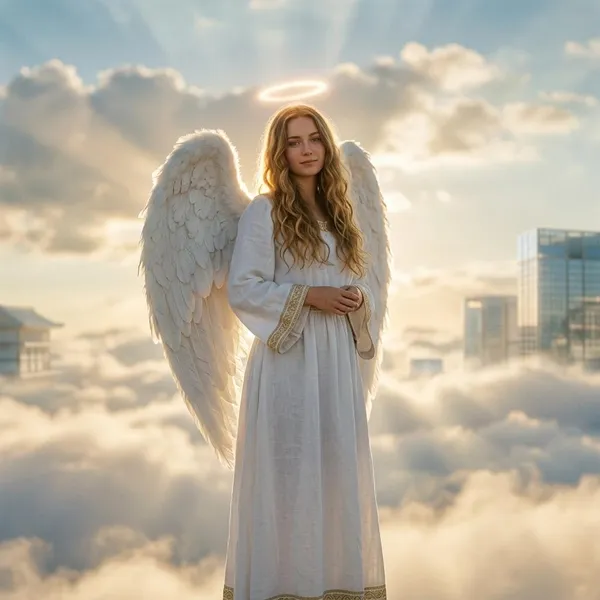
An angel anime character is usually connected to wings, halos, heavenly powers, spiritual duty, protection, judgment, purity, or redemption. The important detail is that anime uses the angel idea very loosely. Some characters are confirmed angels, while others only feel angelic because of their design, role, or symbolism.
Literal angels in anime stories
Literal angels are directly identified as angels within the anime's world. They may come from heaven, follow divine rules, serve a celestial order, or carry out missions connected to humans. Gabriel White Tenma from Gabriel DropOut is a clear example because her angel identity is part of the premise, even though the series treats it as comedy.
Fallen angels and dark celestial characters
Fallen angels usually carry the strongest dramatic tension. They still have heavenly beauty or power, but their role is shaped by rebellion, punishment, pride, corruption, or exile. This makes them common in action and fantasy anime, where a fallen angel can become a villain, antihero, or tragic figure.
Angel-like characters with symbolic traits
Some famous angel-themed characters are not simple "heavenly beings" at all. Rakka from Haibane Renmei has wings and a spiritual atmosphere around her story, but the series is more symbolic and reflective than literal. Kanade Tachibana from Angel Beats! is called "Angel" by other characters, yet her meaning depends heavily on the emotional mystery of the show.
Famous Angel Anime Characters
The best-known angel characters are memorable for different reasons. Some are loved because of their design, some because of their emotional role, and some because they twist the usual "pure angel" image into something funny or darker.
Kanade Tachibana from Angel Beats!
Kanade Tachibana is one of the most recognizable angel-themed anime characters because Angel Beats! introduces her as "Angel" before the viewer fully understands her. Her pale design, calm behavior, and unusual abilities make her seem distant and almost untouchable at first.
What makes her last in fan memory is not only the angel image, but the way the show slowly changes how you see her. She moves from mysterious opponent to emotionally important character, which is why she is often the first name people mention when talking about angel anime.
Gabriel White Tenma from Gabriel DropOut
Gabriel White Tenma is a literal angel, but her appeal comes from doing the opposite of what a "perfect angel" is expected to do. She starts as an excellent student from heaven, then becomes lazy, messy, and obsessed with games after arriving on Earth.
That contrast makes Gabriel DropOut easy to recommend if you want something light. It still uses halos, wings, heaven, and demons, but the main pleasure is everyday comedy rather than heavy supernatural lore.
Rakka from Haibane Renmei
Rakka is best for viewers who want angel imagery with emotional weight rather than battles or jokes. In Haibane Renmei, she wakes in a strange town, grows small gray wings, and has to understand her place among the Haibane.
Her story is quiet, slow, and reflective. The angel-like design supports themes of guilt, belonging, forgiveness, and healing, so she is a strong choice for someone who wants a thoughtful anime instead of a straightforward celestial fantasy.
Lucifer from Saint Seiya
Lucifer from Saint Seiya represents the darker side of angel mythology. Rather than comfort or innocence, he brings rebellion, pride, and divine-scale conflict into the story.
This type of character works best if you enjoy older action-fantasy energy: dramatic stakes, powerful enemies, and spiritual imagery used for confrontation. He is not the soft or protective kind of angel figure, and that is exactly the point.
Other memorable angel characters
Several other anime use angels or angel-like beings in ways that are worth knowing, especially if you want something beyond the most repeated names.
- The Six Holy Beasts from Saint Beast: a better fit if you want a group of celestial characters rather than one standout lead.
- Chihaya and Kagetsuya from Earthian: useful examples of angels tied to judgment, humanity, and moral observation.
- Kai Misonou and Shou Hamura from Angel's Feather: more focused on identity, wings, family background, and fantasy relationships.
- Samataro Kamiyama from Kamisama Kazoku: a lighter supernatural choice where divine family life mixes with school and romance.
Types of Angel Characters in Anime
Angel characters in anime usually fall into a few practical types. The category matters because it tells you what kind of story you are likely getting: sacred fantasy, dark rebellion, emotional protection, or symbolic character drama.
Pure angels and heavenly beings
Pure angels are closest to the classic image of celestial beings. They are usually connected to heaven, duty, order, divine authority, or spiritual purity. In serious stories, they can feel majestic or distant; in comedy, that same image can be used as a setup for jokes.
Gabriel begins from this type, even though Gabriel DropOut quickly turns the "perfect angel" expectation upside down.
Fallen angels with darker roles
Fallen angels are built on contrast: they may look beautiful or sacred, but their story points toward rebellion, punishment, temptation, or regret. Lucifer is the clearest example among the famous names here.
This type is a good match for viewers who want stronger conflict. If you are looking for a comforting guardian figure, fallen angels may feel too hostile or tragic. If you want drama and moral tension, they are often the most compelling option.
Guardian angels and protectors
Guardian-style angel characters are defined less by official status and more by what they do for others. They protect, guide, watch over, or emotionally support another character, sometimes through sacrifice rather than direct combat.
Kanade is often discussed in this way because her role in Angel Beats! becomes more meaningful as the story reveals what she is really doing. This type works especially well for viewers who like emotional payoff more than complicated lore.
Angel-like characters with special powers
Angel-like characters may have wings, pale designs, healing associations, unusual powers, or a spiritual presence without being confirmed as angels. Rakka is a strong example because the Haibane imagery feels angelic, but the series leaves room for interpretation.
Angel Anime Characters by Genre
Genre changes the angel trope more than many people expect. The same wings can signal a holy warrior, a lazy comedy lead, a symbol of grief, or a fantasy race with its own politics.
Action anime angel characters
Action anime often turns angels into fighters, judges, enemies, or supernatural forces with large-scale power. The appeal is visual and dramatic: wings, sacred energy, divine conflict, and characters who feel larger than normal life.
Lucifer from Saint Seiya fits this lane better than a quiet symbolic character like Rakka. Choose action-focused angel anime when you want battles and mythic stakes, not gentle introspection.
Comedy anime angel characters
Comedy angel anime usually works by breaking the sacred image. Gabriel White Tenma looks like a heavenly honor student, but her lazy behavior on Earth creates the joke immediately.
This is the easiest route if you are only mildly curious about angel characters. You do not need to track dense lore, and the angel theme stays visible without making the series heavy.
Emotional anime angel characters
Emotional anime uses angel imagery for memory, regret, grief, forgiveness, or acceptance. Angel Beats! and Haibane Renmei both fit, but they serve different viewer moods.
- Choose Angel Beats! if you want comedy, mystery, music, ensemble energy, and emotional turns.
- Choose Haibane Renmei if you want something slower, quieter, and more symbolic.
Fantasy anime angel characters
Fantasy anime tends to make angels part of the world's structure. They may belong to divine ranks, magical bloodlines, heavenly kingdoms, or supernatural conflicts where status and power matter.
Saint Beast and Angel's Feather are better fits for this kind of interest than a mostly symbolic drama. Pick fantasy angel anime if you want the wings and celestial identity to affect the setting, not just the character design.
Best Anime With Angel Characters
The best anime with angel characters depends on what you want the angel theme to do. For a quick choice, start with tone first, then decide whether you want literal angels or symbolic angel-like characters.
Angel-focused supernatural anime
If you want angels to matter directly to the plot, look at series where celestial beings are part of the world's rules. Saint Beast, Earthian, and Saint Seiya are stronger choices than shows where angel imagery is mostly symbolic.
Comedy anime featuring angels
Gabriel DropOut is the cleanest recommendation for comedy. The premise is simple: heavenly and demonic characters live in ordinary settings, and their behavior often clashes with what their labels suggest.
Emotional anime with angel themes
Angel Beats! and Haibane Renmei are the two strongest emotional picks, but they are not interchangeable. Angel Beats! is more dramatic and accessible, while Haibane Renmei asks for more patience and attention to atmosphere.
Conclusion
The best choice depends on whether you want a confirmed heavenly being, a fallen celestial figure, or a character who only feels angelic through symbolism. Start with Kanade for emotional mystery, Gabriel for comedy, Rakka for quiet reflection, and Lucifer for darker fantasy conflict; that small split will usually lead you to a better watch than choosing by wings alone.